

“Survivors don’t just need protection—they need places where their dignity is restored, their voices are heard, and their healing is held with care.” — Musa Dube
Ms Dube served as professor of New Testament in the Department of Theology and Religious Studies at the University of Botswana. She has held positions at the World Council Churches, Scripps College, Union Theological Seminary and University of South Africa
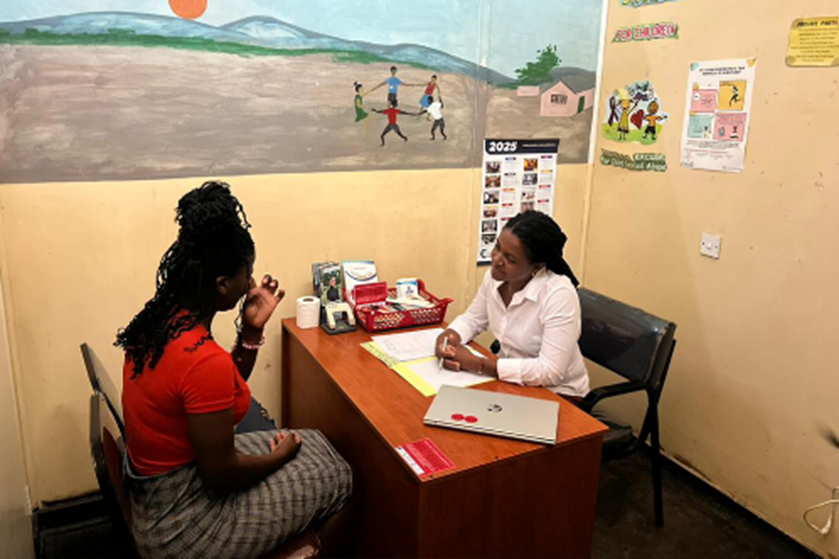
In South Africa, gender-based violence (GBV) has been described as a national disaster—one that continues to affect millions of women and families across the country. Behind the statistics are deeply personal stories of pain, survival, and courage. For many survivors, the first place they turn is not a clinic, a police station, or a social worker—but a faith or spiritual leader.
Studies suggest that survivors of GBV are significantly more likely to seek help from a faith leader than from other professionals. This reality presents both a profound opportunity and a shared responsibility across all faith traditions and belief systems.
Why faith spaces matter
Faith and spiritual communities—churches, mosques, temples, synagogues, and other sacred spaces—are often grounded in deep trust. They are shaped by shared values, moral guidance, and a strong sense of belonging. For survivors, these spaces can feel more accessible, familiar, and emotionally safe than formal institutions.
But safety is not automatic.
When a survivor speaks out, they are taking an enormous risk. They need to be met with compassion, dignity, and confidentiality—not judgment, dismissal, or pressure to reconcile without accountability. When faith spaces are not equipped to respond appropriately, they can unintentionally reinforce harm.
The need for truly safe spaces
Creating safe spaces within faith communities requires more than open doors. It calls for a deliberate and collective commitment to:
- Listen without blame or prejudice
- Understand the realities and complexities of GBV
- Challenge harmful norms, beliefs, and interpretations
- Support survivors while connecting them to professional services when needed
It also demands honest reflection. Across traditions, some cultural and religious practices have been misused to justify inequality or silence those who experience harm. Addressing this requires humility, courage, and a shared commitment to justice.
From safe spaces to transformed communities
When faith leaders are equipped to respond with care and competence, something powerful happens: safe spaces begin to grow into safer communities. A single compassionate response can interrupt cycles of silence. A well-informed leader can influence families, congregations, and entire neighbourhoods.
Investing in faith leaders, therefore, is not only about supporting individuals—it is about catalysing community transformation.
Ending GBV in South Africa requires more than awareness. It calls for a deep shift in values, beliefs, and everyday practices. Faith and spiritual leaders are uniquely positioned to help lead this shift—ensuring that places of worship truly become places of safety, healing, and justice.
A shared invitation to act
The question is no longer whether change is needed—but what comes next.
Will communities remain silent?
Or will they become part of a growing movement for justice and change?
There is a concrete way to be part of this transformation.
The NEW AFRICA FUND CHALLENGE – MATCH FUNDING CAMPAIGN aims to raise R80,000 (USD $5,000) to expand and sustain the vital work of equipping faith leaders across traditions.
Each contribution helps train and support leaders to respond to survivors with care and competence.
Each leader reached has the potential to influence an entire community.
Each transformed community becomes a safer space for those most at risk.
👉 Support the work here:
https://give-usa.keela.co/we-will-speak-out-south-africa-donate-page
Together, we can help build a future where faith spaces are truly safe spaces—
and where human rights are not only spoken about, but fully lived.
#faithingenderjustice
By Gita Dickinson